Quote Form
Request a quote and our team of experts will be in touch with you.


Labour Challenges in Malaysia’s Cleaning Industry: Rising Standards, Cost Pressures and Shrinking Supply
Malaysia’s cleaning industry is undergoing a transformation. Traditionally reliant on foreign labour and cost efficiency, the sector is now facing a convergence of structural changes that are reshaping how companies operate. From stricter labour standards and rising wages to global geopolitical pressures and tightening labour supply, these forces are redefining the economics of service delivery.
1. National Plan to Eliminate Forced Labour by 2030
One of the most impactful shifts comes from the global and national push towards ethical labour practices. Malaysia is strengthening its response to forced labour through the development of the country’s National Action Plan on Forced Labour (NAP-FL) for the period 2026-2030. Ethical and compliant labour practices are expected to become a baseline regulatory requirement by 2030. The collaboration between the International Labour Organization (ILO) and Department of Occupational Safety and Health (DOSH) reflects a strong commitment to strengthen occupational safety and health governance in Malaysia and to align national policies in line with the ILO standards.
For the cleaning industry, this means greater accountability in recruitment, stricter compliance requirements, and improved worker welfare standards. In this evolving environment, companies that adapt proactively will be better positioned to delivering consistent service quality. While these are necessary and positive developments, they also increase the cost and complexity of hiring, particularly for foreign workers.
2. Malaysia Moving Towards High-Income Nation
Malaysia is on a clear trajectory towards becoming a high-income nation by 2030. Current projections assume an average annual growth of 6% in Gross National Income (GNI) per capita from 2024 to 2030, and a consistent 5% annual increase in the high-income threshold. Over the past decade, minimum wages have steadily increased, raising the baseline cost of labour across all sectors. For a labour-intensive industry like cleaning, where manpower constitutes a significant portion of operational costs, this creates considerable pressure on margins. Companies must now balance fair wages with competitive pricing in a market that remains highly cost-sensitive.

Sources:
1. Trading Economics (2026). Malaysia Minimum Monthly Wages.
2. The Star (2026, May 2) Govt targeting RM3,000 minimum wage by 2030.
3. Geopolitical Instability Raise Labour Cost
Adding to these challenges is the ongoing geopolitical instability in the Middle East. While it may not directly link to the cleaning sector, the ripple effects are substantial. Increased airfares, visa processing costs, and accommodation expenses have made the recruitment of foreign workers more expensive than ever. For companies committed to ethical hiring practices, such as adhering to the ILO’s Employer Pays Principle for workers, these costs are fully absorbed by the employer. As a result, the true cost of labour now extends far beyond wages, encompassing the entire recruitment and onboarding process.
4. Foreign Worker Application Restrictions
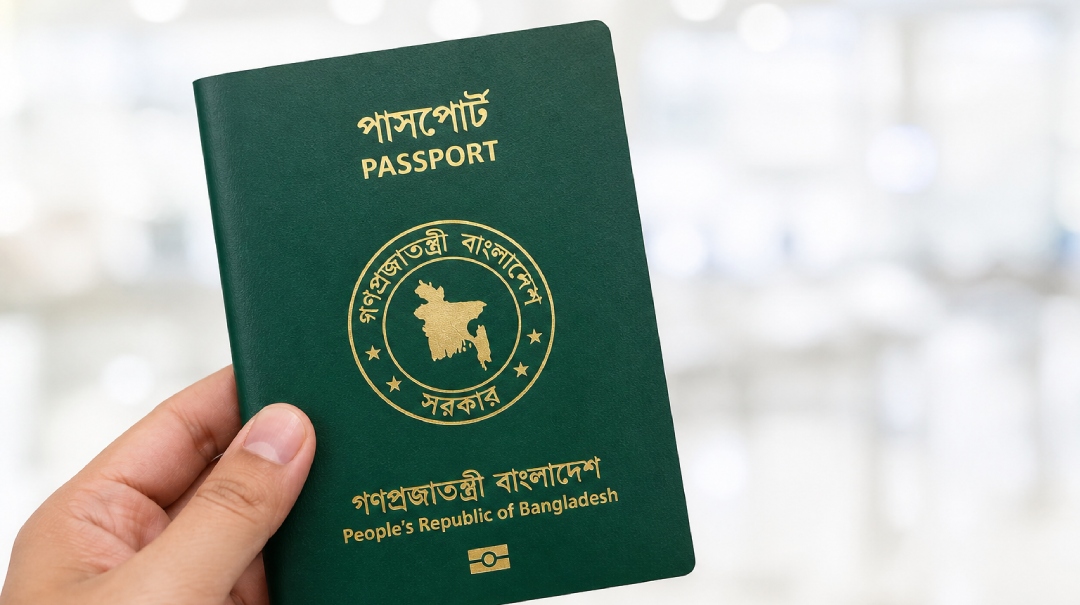
Compounding the issue is the Malaysian government’s move to restrict applications for foreign workers in certain sectors, including the cleaning industry. This policy is aimed at encouraging the employment of local workers. However, the reality on the ground presents challenges. The cleaning industry has historically struggled to attract local talent due to the nature of the work, leading to gaps in workforce availability. Additionally, local workers often have higher expectations in terms of wages and working conditions, further increasing operational costs and making workforce planning more complex.
Maclean’s Commitment to Responsible Labour Practices
Taken together, these factors point to a fundamental shift in the labour landscape. The traditional model of relying on low-cost, readily available labour is no longer sustainable. Janitorial facility management companies must now rethink strategies—investing in productivity improvements, adopting technology where possible, and enhancing employee value proposition to attract and retain workers.
At Maclean, we remain fully committed to upholding all labour regulations and ethical standards. We strictly comply with national labour policies and support global initiatives to eliminate forced labour. In line with the ILO guidelines, we uphold Employer Pays Principle, ensuring that no worker bears the cost of employment. As the industry evolves, our commitment is to build a responsible, sustainable workforce while continuing to deliver reliable and high-quality cleaning services.
References:
1. International Labour Organization. (2025, December 3). Malaysia plans strengthened response to forced labour.
2. International Labour Organization. (2026, April 21). Malaysia advances worker safety and health through ILO standards.
3. Malaysian Science and Technology Information Centre. (2026, April 21). Malaysia’s projected towards a high-income economy by 2030.
4. Maclean. (2025, June). Comparing Malaysia’s employment act and with the RBA code of conduct.
Beyond Cost Effective Solutions
Our Supervisors and Crew Are Well Trained
We Are Well Versed with Various Industry Compliancy Requirements
Understanding Urgency and Providing Personalised Attention
In addition to the above, we are proud and grateful to receive 2 awards from CBRE:
- Exceptional Service Award 2022
- Best Safety and Covid Response Award 2022

So, try us out and experience the Maclean service first-hand.
To find out more on how we give you the best value for your budget without compromising your health or safety, please connect with us at 03-7773 0300 or enquire@maclean.com.my.


